



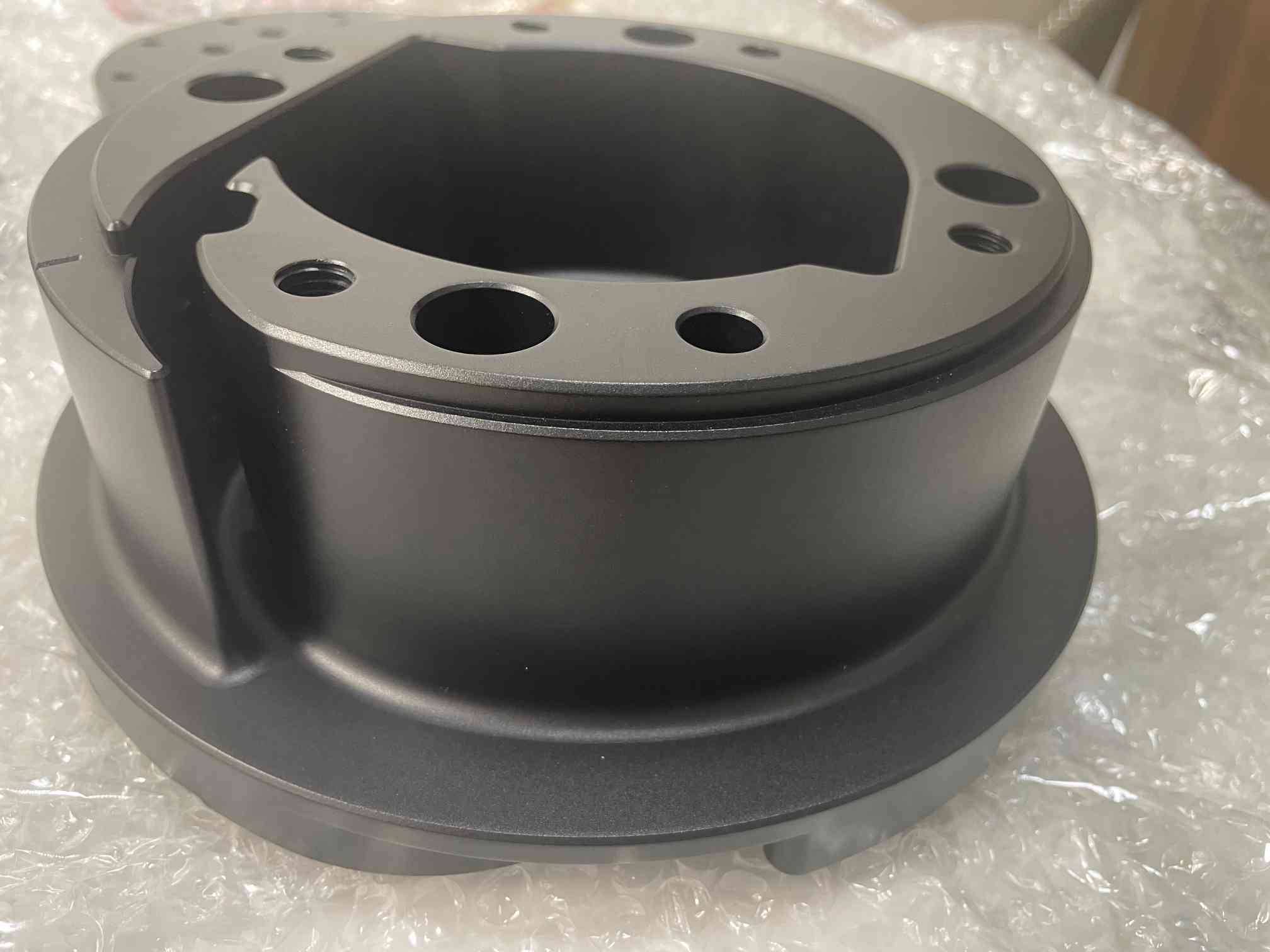
How to choose the surface treatment of AL6061?
I. Standard Nomenclature and Common Surface Treatment Classifications
According to national standards (GB), international standards (ISO), and American standards (ASTM), the common surface treatments for 6061 aluminum alloy can be categorized as follows:
Anodizing
Standard nomenclature: Anodizing (GB/T 8013, ASTM B137/B580)
Subdivisions:
Conventional anodizing (Type II, ASTM B580): film thickness 5–25 μm, used for general corrosion protection and decoration.
Hard anodizing (Type III, ASTM B580): film thickness 25–100 μm, high hardness (HV 400–600), used for wear‑resistant applications.
Chemical Conversion Coating
Standard nomenclature: Chemical conversion coating (GB/T 9791, ASTM B449)
Common trade names: passivation, conductive oxidation, Alodine treatment.
Electroplating
Standard nomenclature: Electroplating (GB/T 9797, ASTM B253)
Common coatings: nickel plating, chromium plating, zinc plating, etc.
Characteristics: improves electrical conductivity, wear resistance, or decoration; requires a copper/nickel undercoat as a strike layer.
Spray Coating
Standard nomenclature: Powder spraying (GB/T 5237.4), liquid painting.
Other Treatments
Sand blasting (GB/T 8923): surface roughening or matte finishing.
Polishing: mechanical polishing, electropolishing (ASTM B253).
III. Correspondence Between Common Commercial Terms and Standards
“Hard anodizing” (硬氧): specifically refers to hard anodizing (Type III).
“Conductive oxidation” (导电氧化): usually refers to chromate conversion coating among chemical conversion treatments.
“Matte anodizing” (哑光氧化): matte effect achieved by sand blasting or etching after anodizing.
“Micro‑arc oxidation” (MAO) (微弧氧化): a non‑standard term; actually belongs to plasma electrolytic oxidation (PEO), with thicker coatings (up to 200 μm or more).
IV. Considerations for Selecting Surface Treatments
Application scenarios:
Wear‑resistance requirements (e.g., guide rails): hard anodizing.
Electrical conductivity requirements (e.g., grounding parts): chemical conversion coating (confirm whether chromium‑containing types are permissible).
Decorative appearance: powder coating or dyed anodizing.
Example of standard designation:
Hard anodizing: designate as “AA20 (film thickness 20 μm)” per GB/T 19822, or as “Type III, 25 μm” per ASTM.


